05 / STRUCTURAL REPORTING & ANALYSIS
Turn records into a disciplined technical conversation.
Reporting organizes measurements, baseline comparisons, trend visualizations, anomalies, context and decision-support information.
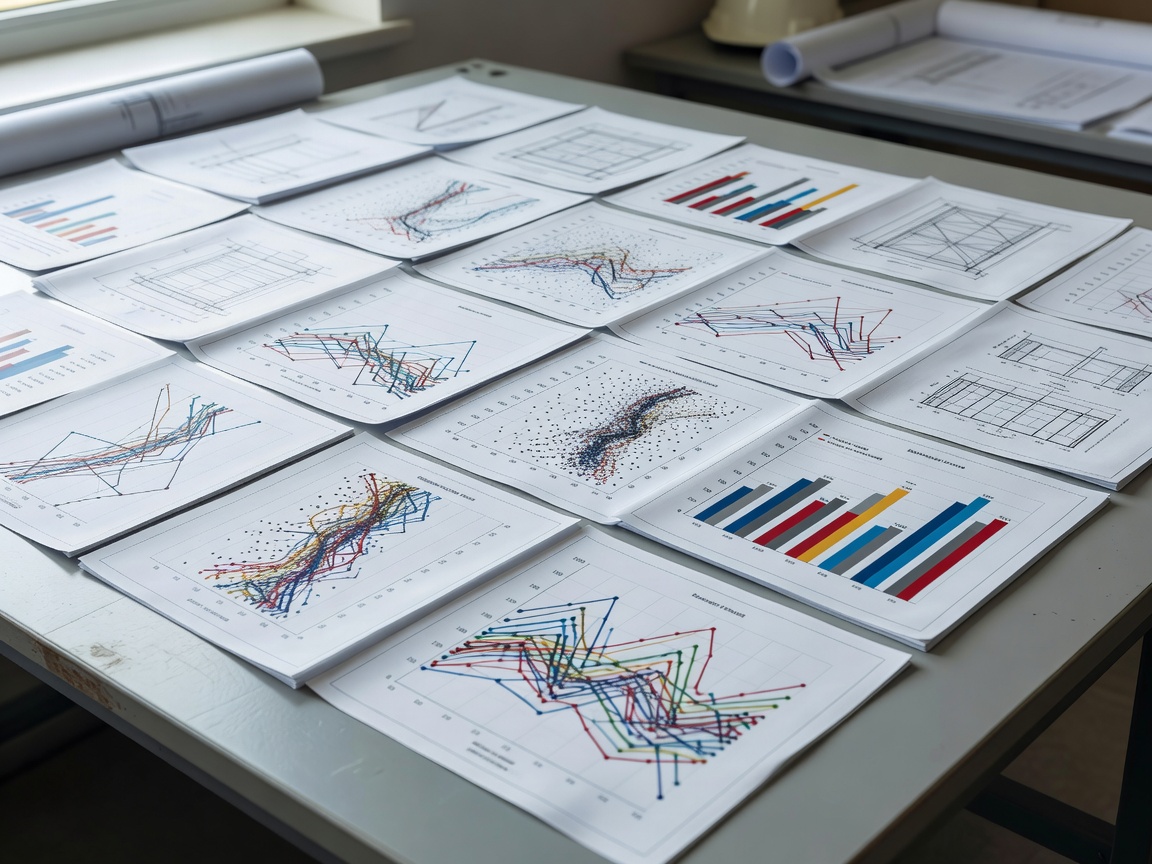
REPORTING SYSTEM
Separate what was measured from what it may mean.
Good reporting starts with a stable documentation structure. It identifies the source, point, unit, time reference, observation period, method and quality status. Charts should preserve the baseline and show relevant context rather than imply certainty.
Trend review can compare current records with baseline conditions, previous reporting periods or defined reference states. An anomaly should remain visible and be described with its evidence. Missing data, changed locations, environmental events and method changes belong in the same record.
Data reporting is not engineering diagnosis. Automated analysis can sort, flag and visualize information, but it cannot replace qualified professional interpretation, inspection or project-specific decisions.
Reporting workflow
- Organize. Apply consistent names, units, dates, locations and source references.
- Compare. Show baseline, period change, environmental context and known events.
- Visualize. Use readable plots, annotated photographs, point plans and exception tables.
- Review. Check gaps, anomalies, assumptions, calculations and commentary boundaries.
- Issue. Record version, date, authoring role, distribution and required follow-up.
Outputs and limits
Typical outputs include a data register, trend charts, baseline comparison, anomaly log, condition-photo index, review notes and a technical summary. Reporting frequency depends on the objective, observation period, change rate and decision process.
Advantages include traceability, shared terminology and efficient handover. Limitations include incomplete source data, uncertain causes, visual simplification and the risk that a summary hides local conditions.
Interpretive statements should identify evidence and uncertainty. Where safety, access or intervention is involved, the report should direct the matter to a suitably qualified professional.