02 / BUILDING MOVEMENT MONITORING
Record movement without confusing observation with cause.
Repeatable building observations can organize evidence about settlement, displacement, deformation, cracks and environmental influence.
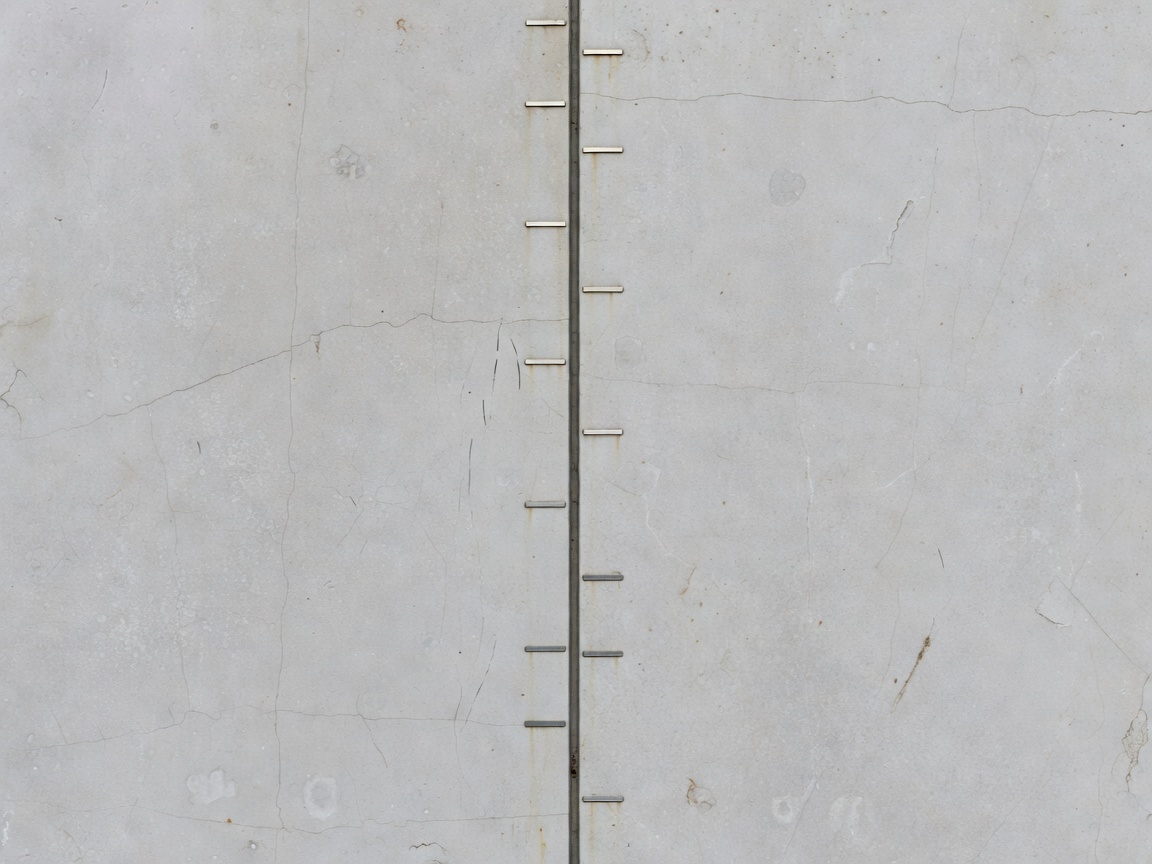
MOVEMENT RECORDS
Context changes the meaning of a reading.
Building movement monitoring may include level differences, displacement, inclination, crack observations, façade references or other agreed indicators. The method should match the question, the structure and the access conditions.
Settlement describes a change in position relative to a reference. Displacement describes a change in position, but neither term alone identifies the mechanism. Deformation describes a change in shape or geometry. Observed movement does not automatically establish its cause or its structural significance.
Temperature and moisture can influence materials, joints, readings and visible cracks. Construction activity, groundwater variation, loading, traffic and seasonal change may also affect records. These influences should be logged alongside measurements rather than inferred from one isolated result.
Observation workflow
- Establish baseline. Photograph and describe the initial condition, references and known limitations.
- Repeat consistently. Use stable locations, defined units, clear identifiers and comparable conditions.
- Capture context. Note temperature, moisture, weather, activity, access and changes near the building.
- Review the series. Compare trends, reversals, gaps and step changes with the baseline.
- Report carefully. Separate measured change, observation, interpretation and unresolved uncertainty.
Considerations
A visible crack is not a complete structural assessment. Width, length, orientation, location, surface condition and change over time may all matter. A measurement method can also introduce uncertainty through reference movement, access, lighting or reading technique.
Useful outputs include annotated photographs, point registers, movement plots, environmental notes, exception logs and scheduled summaries. A record can support a qualified engineer or inspector, but it cannot independently diagnose failure or confirm safety.
Advantages include continuity and clearer communication. Limitations include unmeasured causes, imperfect reference stability, incomplete access and the risk of over-interpreting short records.
Practical checklist
Baseline photographs and referencesMovement terms definedCrack locations identifiedTemperature and moisture notedRepeat method documentedGaps and anomalies flaggedTrend limits explainedProfessional assessment route available
Do not alter structural components, enter restricted areas or make safety decisions from generic measurements. Use qualified professionals for assessment and access controls.
Related services: planning establishes scope; sensor data monitoring manages records; reporting organizes the review.
Discuss building observations